Language
  EN
EN ES
ES RU
RU DE
DE EL
EL IT
IT JA
JA KO
KO PT
PT ID
ID SR
SR UK
UK VI
VI TH
TH TR
TR MS
MS BE
BE AR
ARCommon Rail Injector Repair & Maintenance Guide
Introduction
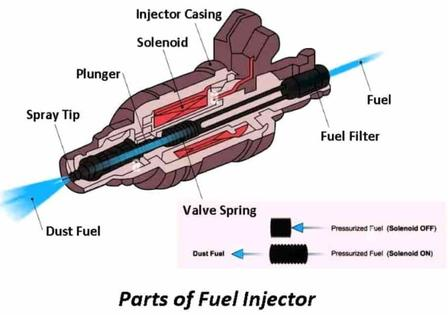
The common rail injector is the core component of a modern diesel fuel injection system. It precisely sprays high-pressure fuel into the engine cylinder to achieve efficient combustion. Wear, carbon deposits, fuel contamination and long working hours will lead to injector failures, which directly cause engine power loss, excessive smoke, rough idle and increased fuel consumption. Professional testing and repair are essential to restore injector performance.
Main Common Rail Injector Faults
Fuel LeakageSeal aging, damaged nozzle needle or valve assembly can cause internal or external fuel leakage. Leaking injectors lead to hard starting and black smoke emission.
Nozzle Coking & Carbon Build-upImpure diesel fuel forms carbon deposits on the nozzle holes. It distorts fuel atomization, resulting in poor combustion.
Needle Valve WearLong-term high-speed movement causes abrasion of the needle and nozzle body. The injection timing and fuel delivery volume deviate from factory specifications.
Solenoid / Piezo Actuator MalfunctionFor solenoid injectors, coil burnout or magnetic attenuation will affect injection opening and closing. Piezo injectors may suffer from crystal aging, causing unstable injection response.
Inconsistent Injection QuantityEach cylinder’s fuel supply becomes uneven. Symptoms include engine vibration, rough idle and unstable acceleration.
Standard Injector Repair Procedures
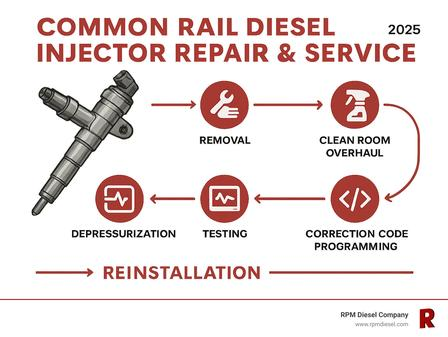
Disassembly & Visual InspectionDisassemble the injector carefully. Check for cracks, corrosion, damaged O-rings and visible carbon deposits.
Ultrasonic CleaningClean nozzles, valve assemblies and internal parts by ultrasonic cleaner to remove carbon residue and dirt.
Parts ReplacementReplace worn spare parts: nozzle, valve assembly, shims, sealing rings, solenoid or piezo components as required.
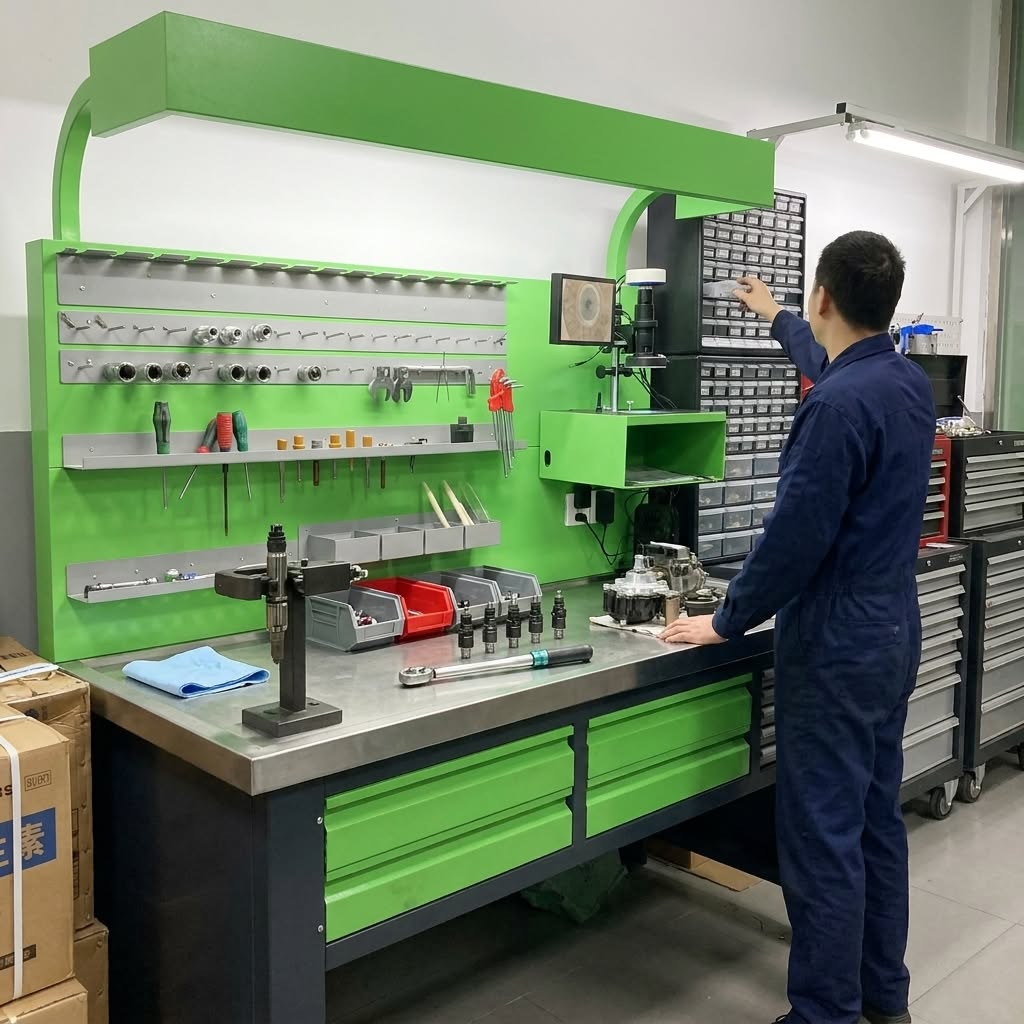
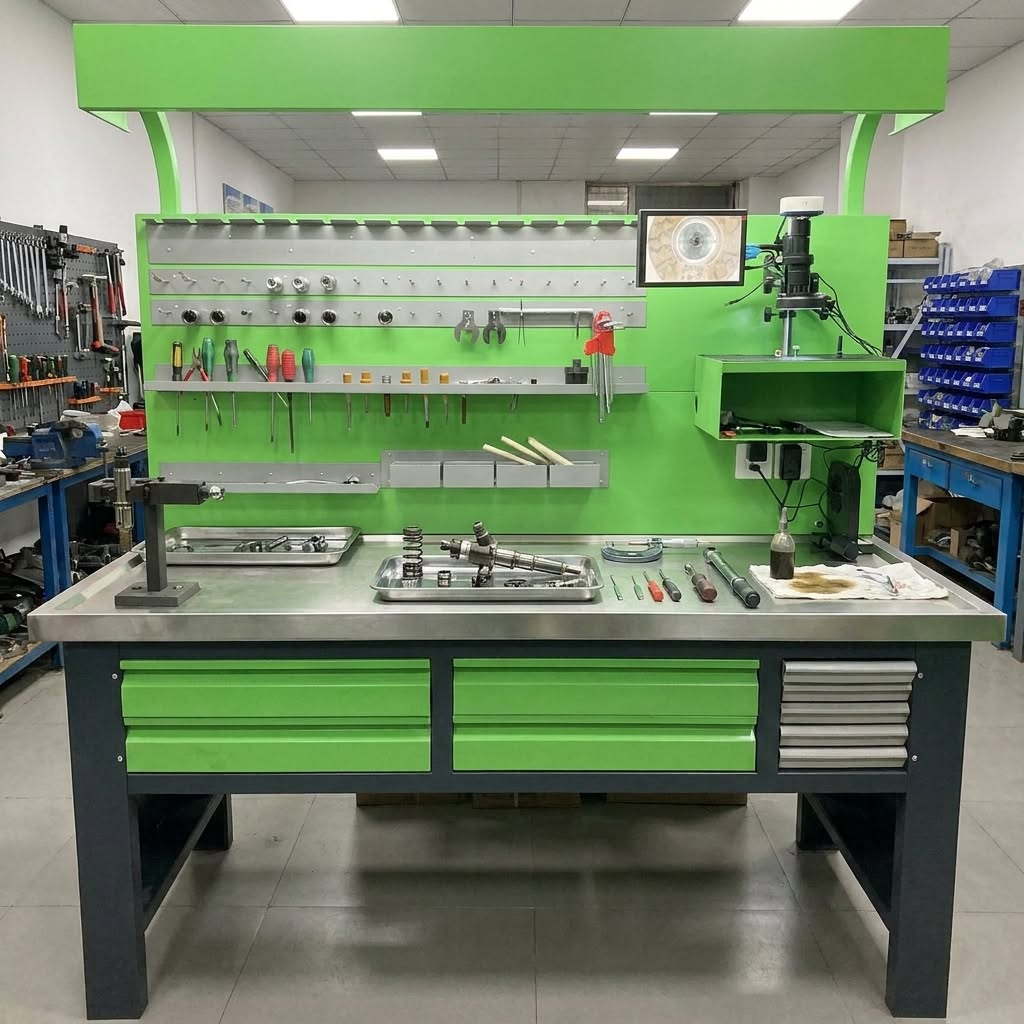
Precision Testing on Test BenchMount the repaired injector on a common rail test bench (such as BEACON CR919PLUS). Test injection flow, return oil volume, atomization condition and opening pressure. Adjust shims to match OEM parameters.
Code Generation (For Newer Injectors)After calibration, write the correction code (IQA / C2I code) into the injector. The ECU relies on this code to accurately control fuel injection.
Final Assembly & RecheckReassemble the injector with new seals. Perform a second round of testing to confirm all parameters meet standard values before installation on the engine.
HEUI / EUI / EUP Injector Special Notes
HEUI (Hydraulic Electronic Unit Injector), EUI and EUP systems are widely used on CAT, Cummins, Navistar and heavy-duty truck engines. These injectors use oil pressure or cam-driven structures, different from conventional common rail injectors.
HEUI injectors rely on high-pressure engine oil to drive injection. Oil circuit contamination is a frequent cause of failure.
EUI / EUP unit injectors require dedicated TU-C / TU-D / TU-E cam boxes during testing to simulate real engine cam working status.
Special fixtures are required on the test bench to complete return oil measurement and injection performance calibration.
Daily Maintenance Tips for Diesel Injectors
Use qualified clean diesel fuel to reduce carbon build-up and component wear.
Replace fuel filters on schedule to block impurities entering the injection system.
Check fuel quality regularly, avoid water mixed in diesel. Water will corrode precision internal parts.
After injector repair, always carry out bench calibration, do not install injectors without testing.
Avoid overheating of the diesel engine; high temperature accelerates aging of injector seals.
Why Use Professional Diesel Test Bench
Manual inspection cannot detect tiny changes of fuel flow and return oil. Multifunctional test benches like CR919PLUS can simulate real engine working pressure, measure injection quantity, check return oil and atomization. It supports common rail, piezo, HEUI, EUI and EUP testing, helping repair shops complete injector calibration efficiently and accurately.
Diesel injector repair includes disassembly, ultrasonic cleaning, spare parts replacement and bench calibration. Common injector failures: nozzle coking, fuel leakage, actuator damage and uneven fuel delivery. Common rail, piezo, HEUI, EUI and EUP injectors all need professional test bench inspection after repair. Correct testing ensures fuel atomization, injection volume and return oil meet OEM standards. Writing injector correction codes is required for most modern common rail injectors. Poor fuel quality is the main reason for premature injector damage.
FAQ Section: Common Diesel Injector Fault Symptoms
Q: What are the common symptoms of a faulty diesel injector?A:
Rough engine idle, engine shaking or vibration at idle speed
Hard cold start, long cranking time before engine fires up
Excessive black smoke from exhaust caused by poor fuel atomization
White smoke from exhaust, usually associated with fuel leakage or incomplete combustion
Obvious power loss, weak acceleration and slow response when stepping on throttle
Higher fuel consumption than normal
Engine misfire, cylinder missing fire and error codes on ECU
Fuel leakage on the injector body or fuel return line
Knocking noise from engine cylinder due to abnormal injection timing
Q: What symptoms indicate HEUI / EUI / EUP injector failure?A:
Unstable idle and sudden power drop under heavy load
Intermittent misfire, especially when engine is hot
High oil consumption or oil dilution (HEUI system)
Difficult to start after engine warm-up
Obvious performance drop under heavy-duty working conditions for trucks and construction machinery
Q: What symptoms point to common rail piezo injector damage?A:
Intermittent engine hesitation during acceleration
Random misfire codes
Unstable fuel return flow, no obvious external leakage
Nozzle atomization failure without visible carbon deposits
Q: Can I keep driving with a bad injector?A: It is not recommended. A faulty injector will damage pistons, cylinder liners and turbocharger over time. You should remove and test the injector on a professional test bench such as BEACON CR919PLUS for calibration and repair immediately once symptoms appear.
We'll get in touch with you via WhatsApp or email in 12 hours.
about beacon
PRODUCTS
contact us
TEL: 0086-13375386297
WhatsApp:+86-13375386297
Email: jamesjing@beacon-machine.com
Add: High Technology Industrial Park of Taian city,Shandong province,China